Source Waterproof Matte Liquid Lipstick for Daily Wear
Explore 30 options for waterproof matte liquid lipstick suitable for daily makeup and nude looks. Compare OEM and private label services, certifications like GMPC and ISO, and packaging details to find the right supplier for your brand needs; compare the available evidence and request quotations based on your requirements.
Key considerations
Products List


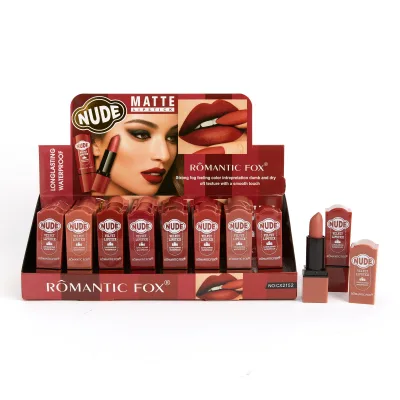


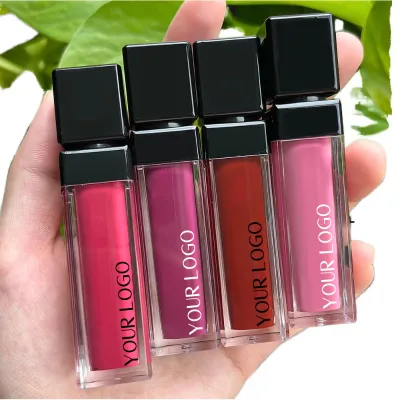



Comprehensive Sourcing Guide
Waterproof Matte Liquid Lipstick Sourcing Guide
Procuring waterproof matte liquid lipstick requires distinguishing between general cosmetic claims and verified performance attributes. The observed market listings indicate a product form that is consistently liquid, designed for daily life makeup and common life occasions. Buyers must verify that the "waterproof" and "long-lasting" features are supported by specific test data rather than generic marketing text, as these claims directly impact customer retention and product reliability in competitive retail environments.
The supply chain for this category often originates from Guangdong, China, where manufacturers offer extensive customization services including OEM and ODM capabilities. Sourcing decisions should prioritize suppliers who provide a wide color palette, with observed ranges spanning from 30 to 112 distinct shades, to ensure inventory diversity. Additionally, the availability of small quantity private labeling allows buyers to test market response with lower initial capital risk while maintaining brand identity through custom logos and packaging.
Product Scope and Observed Listing Signals
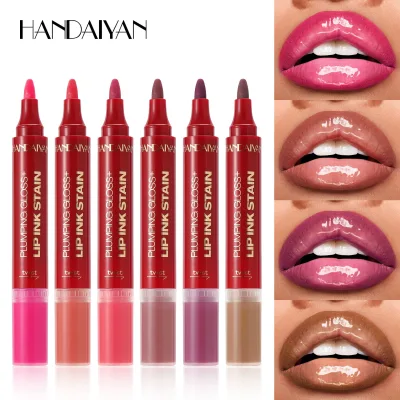
The product scope for waterproof matte liquid lipstick encompasses various formulations, including those with mineral, chemical, or herbal main ingredients. Listings frequently highlight a multi-colored appearance with specific finishes like metallic matte or nude tones suitable for daily makeup. Buyers should scrutinize the net weight, which varies between 5g and 10g per unit, as this affects the perceived value and cost-per-unit calculations for their specific market segment.
Listing signals also reveal significant variation in minimum order quantities, ranging from as low as 20 pieces to as high as 12,000 pieces depending on the supplier's capacity. This flexibility allows buyers to align procurement volumes with their current sales velocity. However, the presence of "Accept Small Quantity Private Logo" advantages suggests that many suppliers cater to emerging brands, necessitating a careful review of their sample policies and the consistency of their color accuracy across different production batches.
Technical Specifications to Verify
Technical verification must begin with the physical form and packaging integrity, as the product is supplied in liquid form requiring robust protection. Observed specifications indicate a standard packing method involving paper boxes with strong bubble wrap to prevent leakage and breakage during transit. Buyers should confirm that the packaging standard explicitly states "one product in one box" to ensure individual unit protection and to verify that the net weight matches the declared 5g or 10g specifications on the label.
Shelf life and stability are critical technical parameters, with observed listings citing a shelf life of up to three years. This duration implies specific preservative systems and storage stability requirements that must be validated against the intended distribution channels. Furthermore, the product model numbers, such as FY-LS46-01 or BS-LS24-02, serve as unique identifiers for specific formulations, and buyers should request batch-specific data sheets to ensure the matte finish and waterproof claims remain consistent over the product's lifecycle.
Compliance and Safety Documentation
Compliance documentation is a non-negotiable aspect of sourcing cosmetics, with observed listings frequently citing certifications such as GMPC, ISO, MSDS, FDA, and GMP. These certifications indicate that the manufacturing facility adheres to Good Manufacturing Practices and that the product has undergone safety assessments. Buyers must request current copies of these certificates to verify that the specific batch being ordered is covered under the valid certification period, ensuring regulatory compliance in the destination market.
Safety data sheets (MSDS) are particularly important for liquid formulations to confirm the chemical composition and handling requirements. The presence of MSDS documentation suggests that the supplier has evaluated the product for transport safety and ingredient hazards. Additionally, the inclusion of sunscreen features in some listings requires verification of the specific UV protection factors and ingredient lists to ensure they meet local regulatory standards for cosmetic sunscreens, preventing potential legal liabilities or consumer safety issues.
Cost Drivers and Commercial Terms
Cost drivers in this category are heavily influenced by the level of customization and the order volume. While observed price ranges in the market span from 0.1 to 9 USD, the final landed cost depends on the complexity of the private label design, the specific color formulation, and the chosen packaging materials. Buyers should analyze the trade-off between unit price and the minimum order quantity, as lower MOQs often come with a higher per-unit cost but reduce inventory holding risks for new product launches.
Commercial terms also include lead times for logo application, which are observed to be around 6 to 8 days for custom branding. This short turnaround is advantageous for agile supply chains but requires precise planning to avoid delays in the overall production schedule. Shipping methods such as DHL, EMS, FedEx, and UPS offer flexibility, but buyers must calculate the total cost of freight against the product value, especially for small orders where shipping costs can significantly impact the overall margin.
Supplier Qualification and Quality Control
Supplier qualification should focus on their ability to deliver consistent quality across large and small orders. The observation that suppliers accept small orders and offer private labeling indicates a flexible production model, but buyers must verify their quality control processes for color consistency and texture. It is essential to request physical samples to test the waterproof claims and the matte finish durability, as these are the primary selling points that differentiate products in a crowded market.
Quality control extends to the packaging and labeling accuracy, ensuring that the "Safe Package" and "Paper Box with Strong Bubble" descriptions match the actual physical protection provided. Buyers should establish clear acceptance criteria for defects, such as leakage or color deviation, and require the supplier to provide pre-shipment inspection reports. Given the origin in Guangdong, China, understanding the supplier's export experience and their ability to handle international logistics is crucial for maintaining supply chain reliability.
Long-Term Procurement Checks
Long-term procurement success relies on establishing a partnership that supports continuous product improvement and market adaptation. Buyers should regularly review the supplier's ability to introduce new colors or formulations, as the observed range of 30 to 112 colors suggests a dynamic inventory that can evolve with consumer trends. Maintaining open communication regarding ingredient changes or regulatory updates ensures that the product remains compliant and competitive over time.
Finally, ongoing performance monitoring is necessary to validate the supplier's adherence to the agreed-upon lead times and quality standards. Buyers should track the consistency of the three-year shelf life claims and the reliability of the waterproof and long-lasting features in real-world usage scenarios. By maintaining a structured review process, buyers can mitigate risks associated with supply chain disruptions and ensure a steady flow of high-quality waterproof matte liquid lipstick to their customers.
FAQs
What certifications do the waterproof matte liquid lipsticks have?
The products hold GMPC, ISO, MSDS, FDA, and GMP certifications. These credentials ensure compliance with international safety and quality standards for cosmetic manufacturing. Buyers can verify these documents to confirm regulatory adherence for their target markets before placing bulk orders.
Can I get custom branding on these liquid lipsticks?
Yes, OEM, ODM, and private label services are available. Customers can accept custom logos and brand names on the packaging. The supplier supports small quantity private logo orders, allowing businesses to establish unique brand identities without requiring massive initial inventory commitments.
What is the minimum order quantity for these lipsticks?
The MOQ varies by product, typically ranging from 20 to 50 pieces. Some listings accept small orders, while others may require up to 12,000 units. Buyers should check specific product pages for exact MOQ requirements to align with their inventory needs.
How long is the shelf life of the liquid lipstick?
The shelf life is three years from the date of manufacture. This duration ensures product stability and color integrity during storage. Proper packaging with bubble wrap and paper boxes helps maintain quality until the product reaches the end consumer for daily makeup use.
Where are these waterproof lipsticks manufactured?
These products originate from Guangdong, China. The region is known for its robust cosmetic manufacturing infrastructure. Buyers can expect efficient logistics via DHL, EMS, FedEx, or UPS for international shipping, ensuring timely delivery of samples and bulk orders to global destinations.
What features define the matte liquid lipstick formula?
The formula is waterproof, long-lasting, and offers a matte finish. It is suitable for daily nude makeup and common life occasions. The product features sunscreen properties and comes in various color options, including metallic and multi-colored shades, to suit diverse consumer preferences.